

There are road trips, and then there is Route 66! This year Route 66 celebrates 100 years of travelers driving this historic route from Chicago, Illinois to Santa Monica, California.
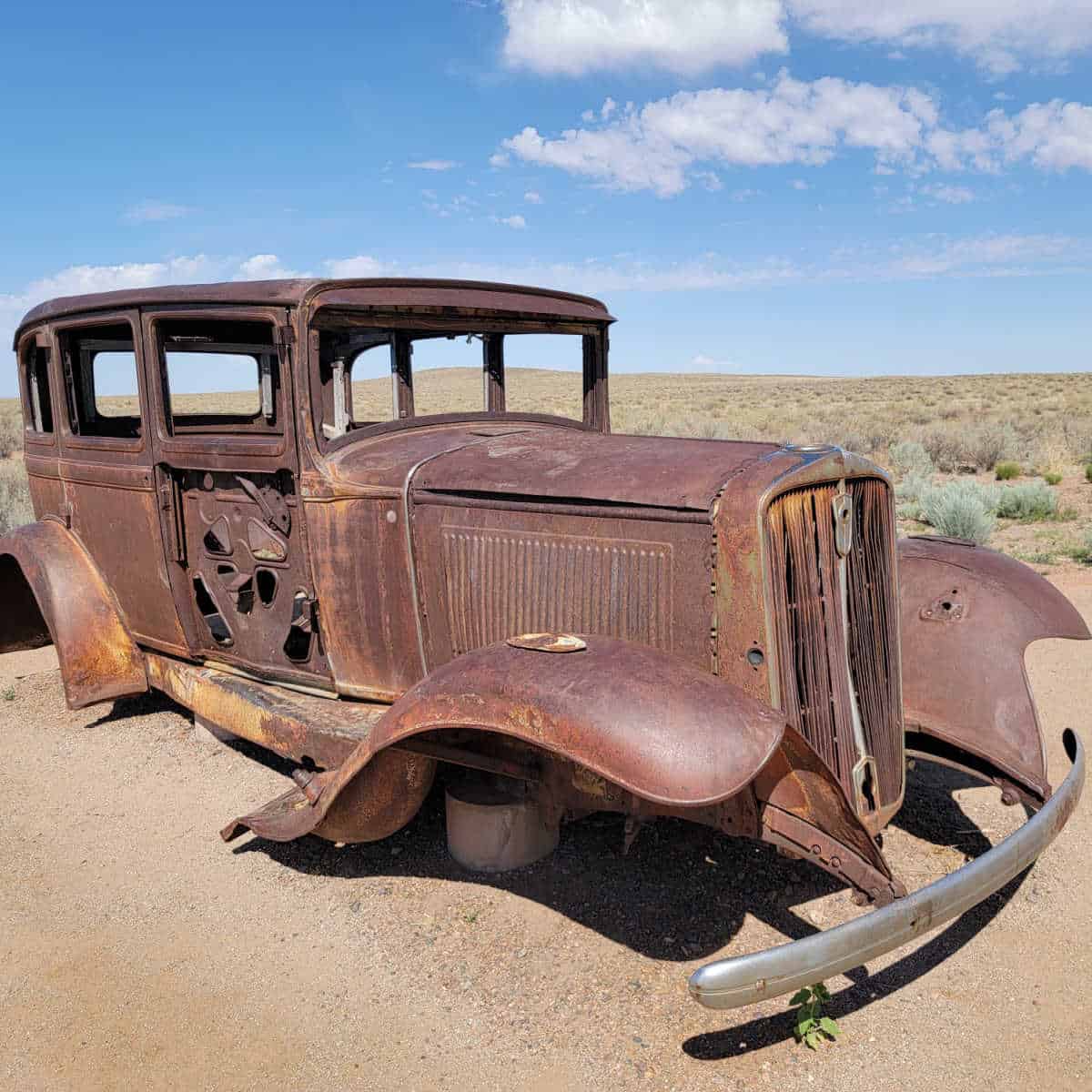
Route 66 Centennial: Celebrating 100 Years of the Mother Road on an RV Road Trip
On November 11, 1926, a simple highway designation changed America forever. A continuous ribbon of road stretching 2,448 miles from the shores of Lake Michigan in Chicago to the edge of the Pacific Ocean in Santa Monica became the country's most celebrated path west. John Steinbeck called it "The Mother Road."
In 2026, Route 66 turns 100 years old, making it the perfect time to plan an RV road trip along the route. Whether you do a segment of the route or the entire 2,000+ miles, it is guaranteed to be an epic adventure.
An RV lets Route 66 unfold the way it was always meant to, at your pace, on your terms, with nowhere you have to be and everywhere worth stopping.
Whether you're a lifelong road tripper or have always had this one on your bucket list, 2026 is the year to do it finally. RVShare makes it easy to find the perfect rig for the journey, from cozy camper vans for couples to spacious Class A motorhomes for the whole family
Know Before You Go: Route 66 Basics
Before hitting the Mother Road and heading east or west, you will want to do a little planning to make the most of your RV road trip adventure.
Route 66 Basics
Route 66 runs 2,448 miles across eight states: Illinois, Missouri, Kansas, Oklahoma, Texas, New Mexico, Arizona, and California. The official start is at Grant Park in Chicago, and the western terminus is the iconic Santa Monica Pier on the California coast.
While the highway was decommissioned as a federal route in 1985, most of it lives on as "Historic Route 66," with state and local designations keeping the road and its spirit very much alive.
How long does Route 66 take?
Most travelers plan a minimum of two to three weeks to explore Route 66. Can the road be drivin faster, sure, but that means missing out on icons, epic scenery, and fun just to cover more miles faster.
The magic of Route 66 is in the unexpected moments, the unplanned stops, the photos that last a lifetime, and the fun places you can't believe are still standing.
If you don't have weeks to dedicate to driving Route 66 dont' worry! The route breaks down beautifully into segments by state or region, making a week-long partial drive just as rewarding as the full coast-to-coast experience.
When to Go
Spring (April through May) and fall (September through October) are the sweet spots: comfortable temperatures across all eight states, fewer crowds than peak summer, and stunning scenery in the desert Southwest. Summer works well too, especially for families, though the Texas and Arizona stretches can be brutally hot in July and August. Winter driving is possible but some services in rural areas scale back considerably, so plan accordingly.
For the centennial year specifically, expect heightened activity and events throughout 2026, with major celebrations likely clustering around the official anniversary date of November 11, 2026. If you can plan a trip around that window, it will be something to remember.
Why an RV Changes Everything
Route 66 is dotted with hundreds of small towns, many of them miles from the nearest chain hotel. An RV turns that remoteness into an advantage rather than a logistical headache.
You carry your accommodations with you, which means you can follow the road wherever it leads, including the original alignment detours that GPS will try to talk you out of. Campgrounds and RV parks are plentiful along the corridor, ranging from full-hookup resorts to simple overnight stops, and many sit right on or near the historic route itself.
If you don't own an RV, renting through RVShare is one of the smartest moves you can make for a trip like this. You choose the size and style that fits your group and your budget, pick it up near your starting point, and you're ready to roll. No long-term commitment, no storage fees, just the open road.
Route 66 RV Itinerary Highlights by State
This is the road trip people have been taking for 100 years, and no two drives are exactly alike.
Use this state-by-state guide as your framework, then make it your own. The beauty of traveling by RV is that nothing is set in stone.
Illinois: Where the Road Begins
Chicago to the Missouri Border: approx. 300 miles
Grant Park, Chicago: Every great journey needs a proper starting line. Grant Park sits at the official eastern terminus of Route 66, and kicking off your centennial drive here, with the Chicago skyline at your back, sets the tone for everything ahead.
Lou Mitchell's Restaurant, Chicago: A Route 66 institution since 1923, Lou Mitchell's has been feeding road trippers before they even hit the highway. Pull up for breakfast, soak in the old-school diner atmosphere, and consider it your official send-off meal.
Gemini Giant, Wilmington: One of the most photographed roadside attractions on the entire route, this towering fiberglass spaceman stood guard outside the Launching Pad Drive-In from 1965 to 2024. In 2024, he was installed in a new home at the entrance to South Island Park in Wilmington. He's quirky, he's enormous, and he's exactly the kind of thing that makes Route 66 impossible to replicate anywhere else.
Pontiac, Illinois: A beautifully preserved Route 66 town that punches well above its weight. The Route 66 Hall of Fame and Museum is located here, making it an ideal early stop for context and history.
Funk's Grove Pure Maple Sirup, Shirley: Yes, sirup, not syrup. That's intentional and legally protected. The Funk family has been tapping maple trees here since the 1800s, and this roadside stand is one of the most authentic and beloved stops in Illinois.
Atlanta, Illinois: Home to another giant roadside figure, Tall Paul, a massive statue of Paul Bunyan holding a hot dog. Small town, big personality, and a great excuse to stretch your legs and explore a classic Illinois Route 66 community.
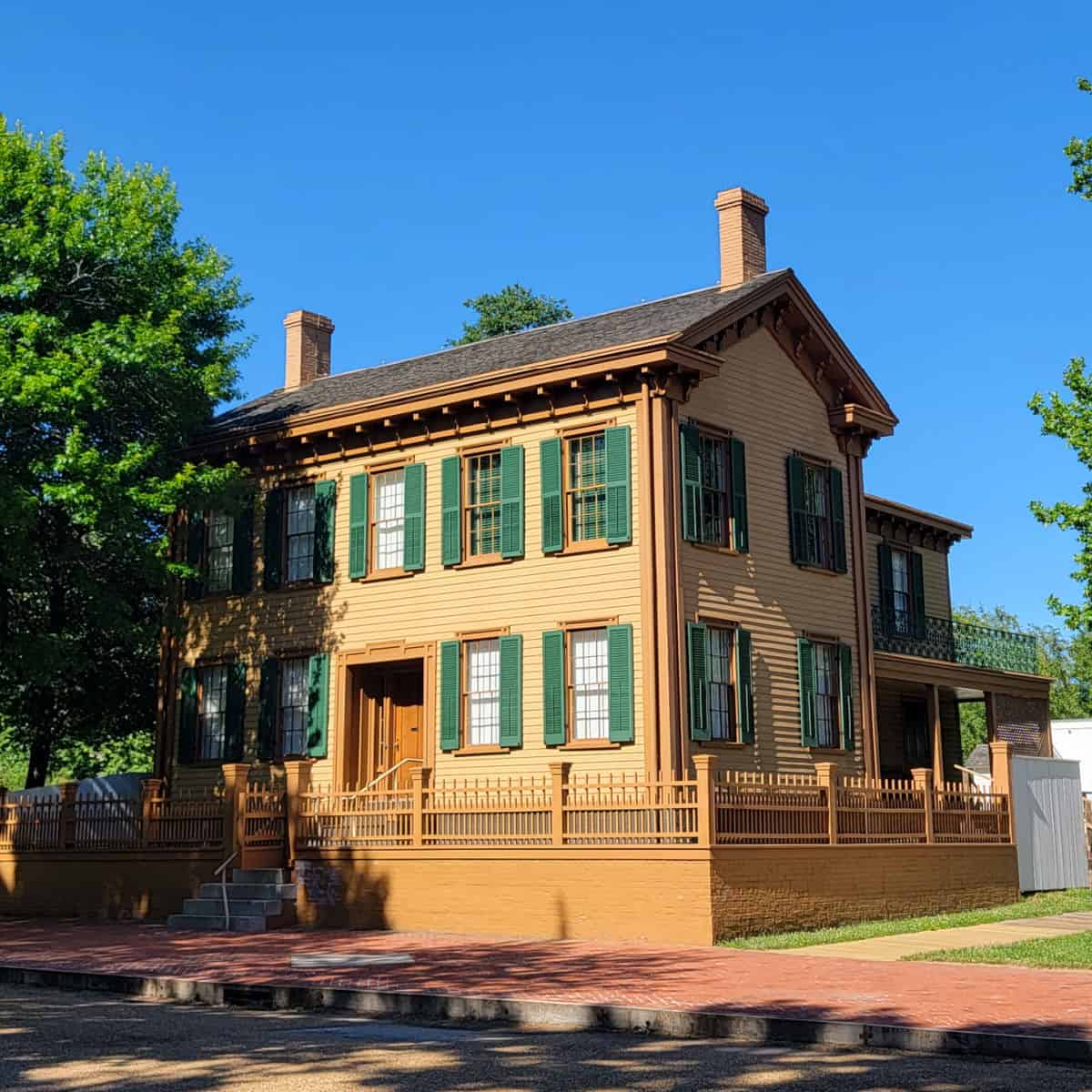
Springfield, Illinois - As the Illinois state capital and home of Abraham Lincoln's Presidential Library and Museum, Springfield is one of the most historically significant stops in the entire state. It also has a strong Route 66 heritage, with several original alignment segments and classic eateries still operating. Don't miss visiting Lincoln Home National Historic Site in Springfield(Pictured above).
Missouri: Arches, Art, and Open Road
St. Louis to the Oklahoma Border: approx. 300 miles
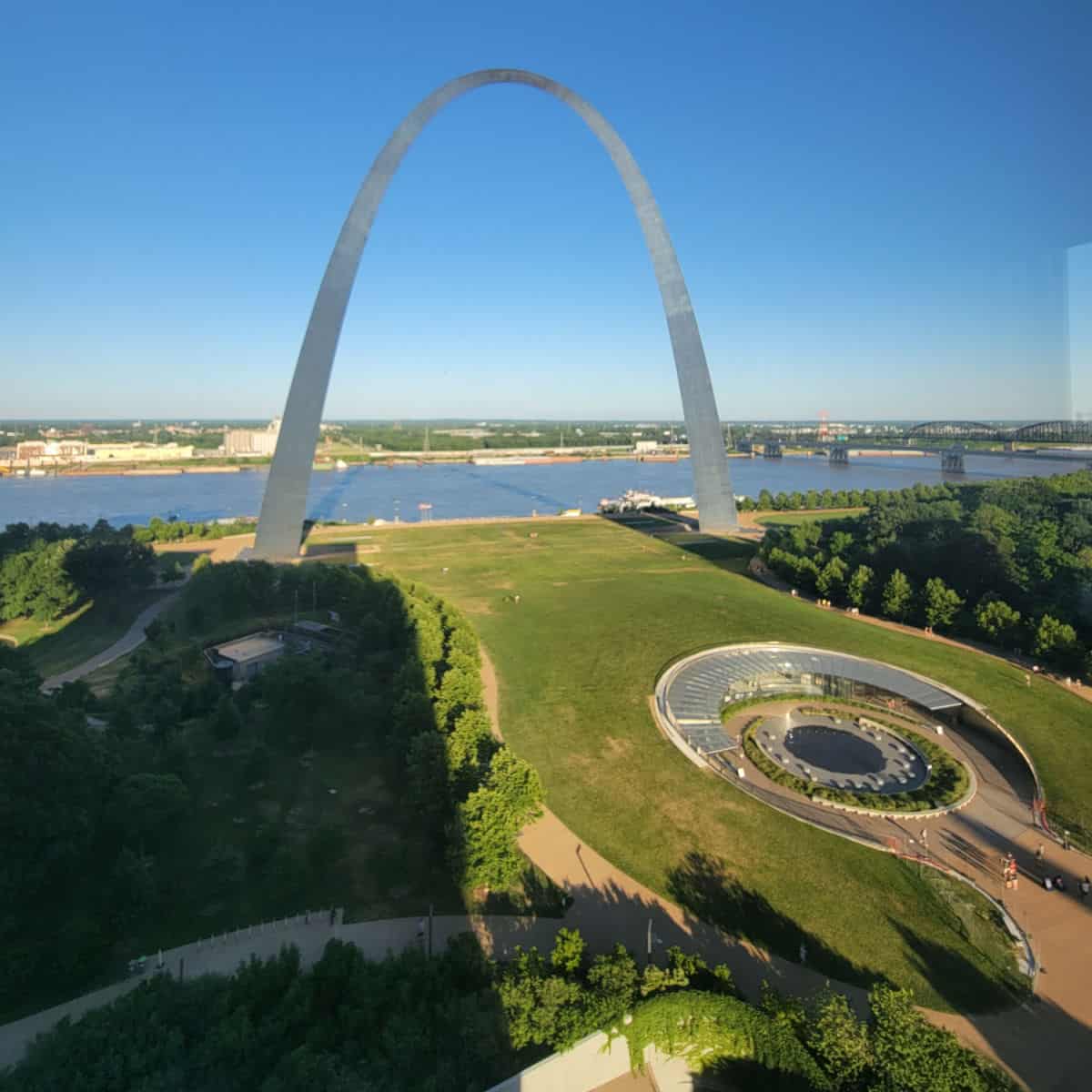
Gateway Arch, St. Louis: An unmistakable landmark and the symbolic gateway to the American West. The surrounding national park is worth at least a couple of hours, and the views from the top of the Arch on a clear day are genuinely breathtaking.
Ted Drewes Frozen Custard, St. Louis: A St. Louis tradition since 1929 and a Route 66 legend. Their concrete custard is so thick it gets served upside down, and the lines on a summer evening tell you everything you need to know about how good it is.
Cuba, Missouri: Known as the "Route 66 Mural City," Cuba features more than a dozen large-scale murals painted on buildings throughout town, each one telling a piece of local or Route 66 history. It is one of the most visually striking small towns on the entire route.
Meramec Caverns, Stanton: Billed as the "Greatest Show Under the Earth," these dramatic cave formations have been drawing travelers off the road since the 1930s. Jesse James reportedly used them as a hideout, which only adds to the mystique.
Devil's Elbow, Missouri: One of the most scenic stretches of original Route 66 pavement, hugging the Big Piney River through the Ozark hills. It is the kind of drive that reminds you why people fell in love with this highway in the first place.
Carthage, Missouri: A beautifully preserved Victorian-era town near the Kansas border with a classic town square, a Civil War battlefield, and the Boots Court Motel, one of the most iconic original motor courts on Route 66.
Kansas: The Short but Sweet State
The Route 66 Kansas segment is only about 13 miles, but it earns its place on the map.
Galena, Kansas: The inspiration for the town of Radiator Springs in the Pixar film Cars, Galena is a small mining town with a lot of Route 66 heart. The Cars on the Route shop, housed in a 1930s gas station, is a fan favorite and a great stop for families.
Rainbow Bridge, Baxter Springs: A rare and beautifully preserved Marsh arch bridge dating to 1923, sitting just outside one of the oldest towns in Kansas. It is a quiet, photogenic moment before crossing into Oklahoma.
Baxter Springs, Kansas: One of the first "cow towns" in the American West and home to a small but well-curated Route 66 museum. The downtown historic district gives you a genuine feel for frontier-era America.
Oklahoma: The Heart of Route 66
More Route 66 mileage runs through Oklahoma than any other state: approx. 400 miles
Blue Whale of Catoosa: Built in the 1970s as an anniversary gift, this giant smiling blue whale sitting in a pond off the highway is one of the most beloved and photographed oddities on the entire route. It perfectly captures the offbeat charm that makes Route 66 special.
Tulsa, Oklahoma: A vibrant city with a deep Route 66 heritage, an incredible Art Deco architecture scene, and a growing food and music culture. The Cyrus Avery Centennial Plaza, named for the man known as the "Father of Route 66," is a must-visit stop here in the centennial year.
Round Barn, Arcadia: Built in 1898 from green bur oak lumber that was bent into shape while still pliable, this perfectly circular barn is one of the most architecturally unusual and charming stops in Oklahoma. The volunteers who maintain it love to tell its story.
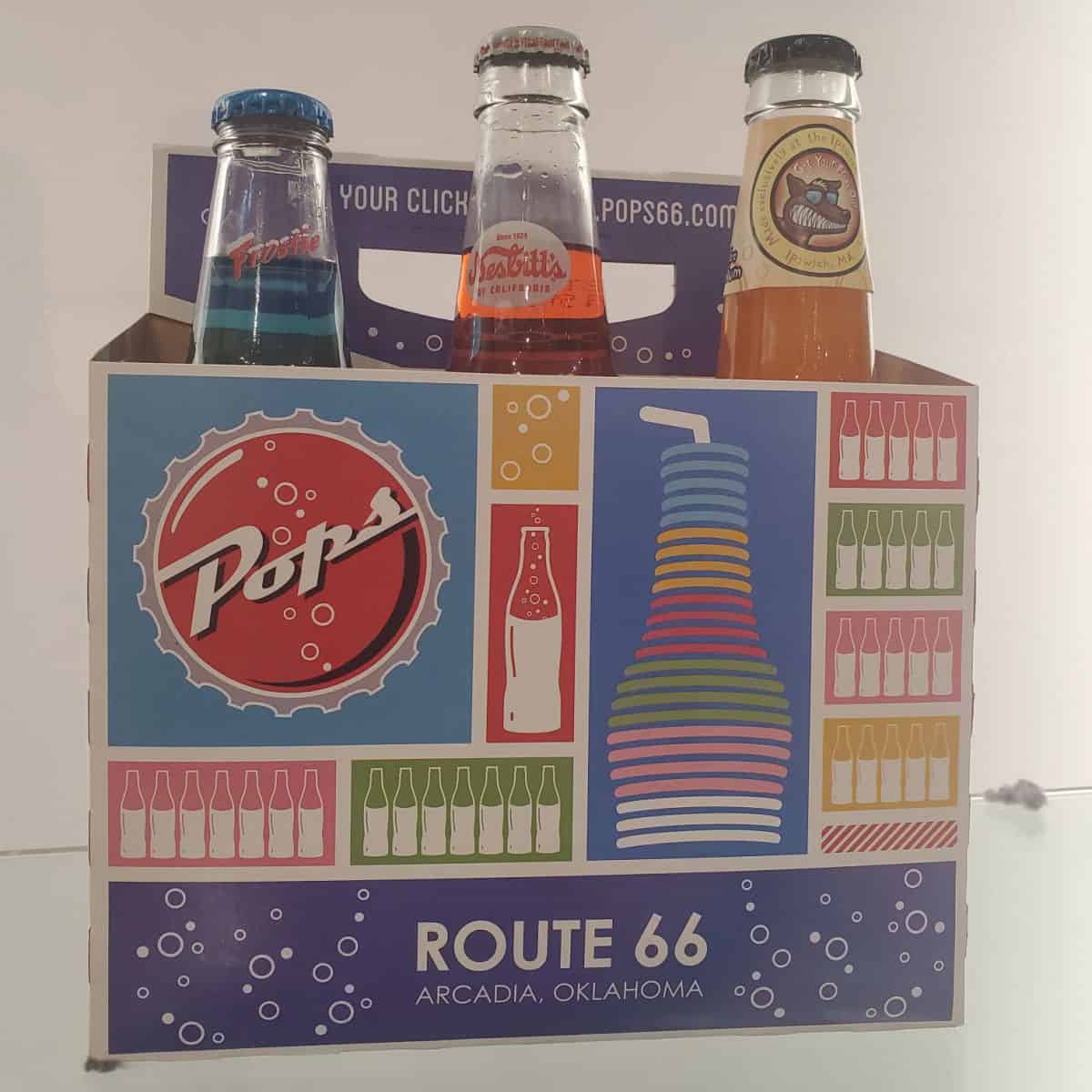
POPS, Arcadia: Right next door to the Round Barn, POPS is a modern Route 66 landmark, a gas station and diner famous for its 66-foot illuminated soda bottle sign and wall-to-wall selection of hundreds of specialty sodas. A fun, photogenic stop that blends old highway culture with something new.
National Route 66 Museum, Elk City: One of the best dedicated Route 66 museums anywhere along the route, with exhibits covering the highway's full history from its designation through its decommissioning and cultural legacy. Well worth an hour or two.
Oklahoma Route 66 Museum, Clinton: Another excellent museum stop, this one focusing heavily on the personal stories of the people who traveled and lived along the highway. The exhibits are vivid and the storytelling is top notch.
Crossroads of America, Miami, Oklahoma: The historic downtown of Miami (pronounced My-am-uh locally) features the stunning Coleman Theatre, a 1929 Spanish Mission Revival gem, and a stretch of original highway that feels genuinely unchanged from its golden era.
Texas: Big Sky, Big Art, Big Everything
The Texas Panhandle: approx. 180 miles
Amarillo, Texas: The main event in the Texas panhandle and a natural overnight stop. Amarillo has great Route 66 restaurants, the famous Big Texan Steak Ranch, and serves as the base for exploring the surrounding highlights.
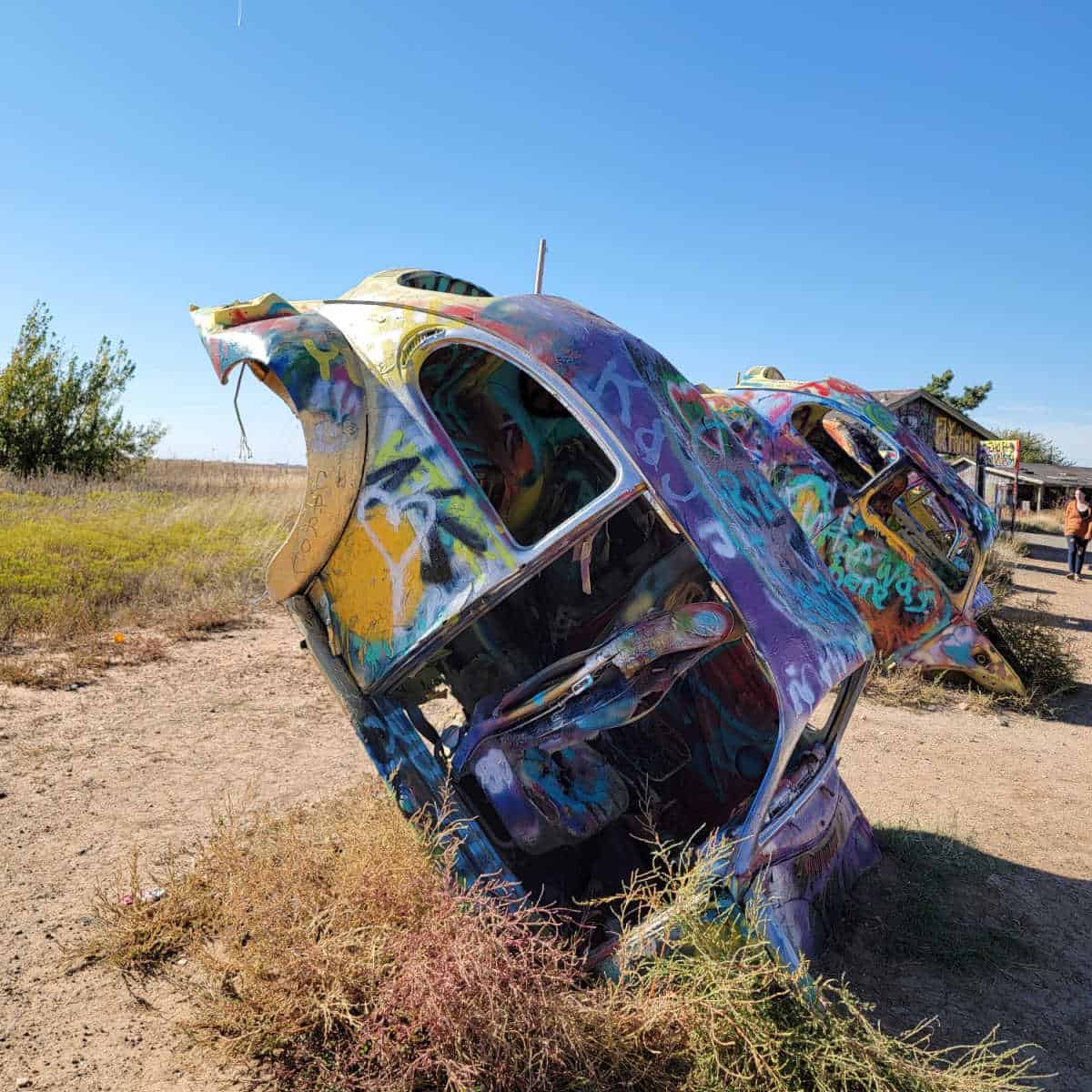
Cadillac Ranch, Amarillo: Ten Cadillacs buried nose-first in a wheat field just off the highway, covered in layers of spray paint added by visitors over decades. It is bizarre, it is iconic, and it is one of the most shared photos on Route 66. Bring a can of spray paint and leave your mark. There is also a Bug Ranch with VW Beetles.
Palo Duro Canyon State Park: Just south of Amarillo sits the "Grand Canyon of Texas," a stunning and largely overlooked natural wonder with colorful canyon walls dropping 800 feet. An easy detour from Route 66 and a completely unexpected landscape in the middle of the flat panhandle.
The MidPoint Cafe, Adrian: At mile 1,139 from both Chicago and Santa Monica, Adrian is the geographic midpoint of Route 66. The MidPoint Cafe marks the occasion with homemade pie and a sign declaring you halfway there, or halfway home, depending on which direction you're traveling.
U-Drop Inn, Shamrock: One of the most architecturally striking buildings on the entire route, this 1936 Art Deco masterpiece shaped like a rocket ship or a giant finned automobile is now a visitor center, and another reported inspiration for Cars. Worth pulling over just to stare at it.
New Mexico: High Desert, History, and Neon
approx. 280 miles
Santa Fe Detour: Route 66 does not pass directly through Santa Fe, but it would be a genuine shame to drive through New Mexico without making the short detour. The oldest capital city in the United States, Santa Fe is a world-class destination with extraordinary food, art, and Pueblo architecture.
Blue Swallow Motel, Tucumcari: One of the most beautifully preserved neon signs and motor courts in America, the Blue Swallow has been glowing since 1939. Even if you don't stay the night, pulling into the parking lot at dusk when the neon comes on is a pure Route 66 moment.
Tucumcari, New Mexico: A classic Route 66 town that has held onto its highway heritage with pride. The murals, vintage signage, and well-preserved motel row make Tucumcari one of the most photogenic stops in the Southwest. Don't miss Tumac
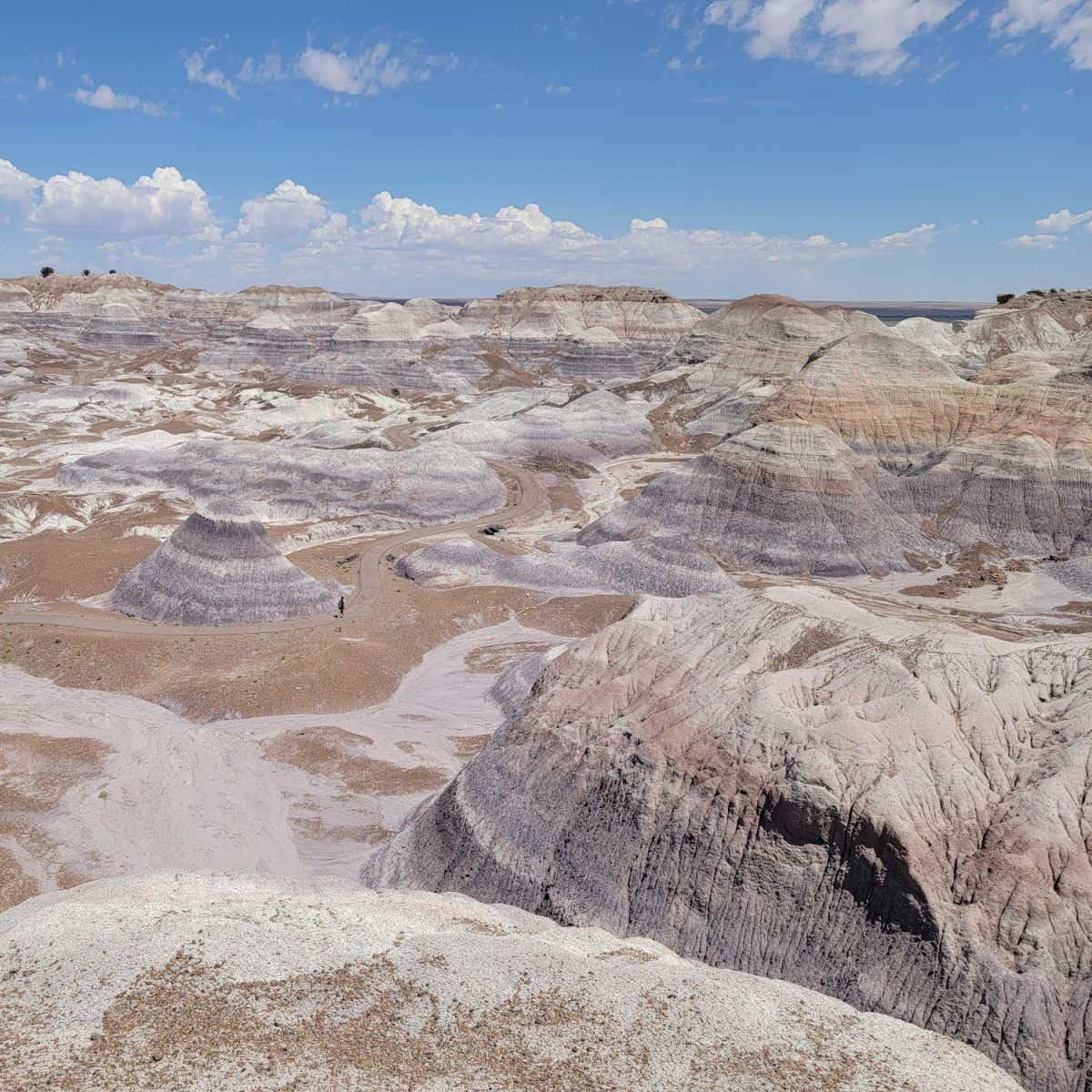
Petrified Forest National Park and Painted Desert: Straddling the New Mexico and Arizona border, this park offers one of the most otherworldly landscapes in the American Southwest. Ancient logs turned to crystal and a painted badlands landscape that shifts color throughout the day make this an essential stop.
El Morro National Monument: A stunning sandstone bluff covered in centuries of inscriptions from Spanish conquistadors, American settlers, and Native peoples. It is an extraordinary layered record of everyone who passed through this part of the country long before Route 66 existed.
Albuquerque, New Mexico: New Mexico's largest city has a lively Route 66 corridor through the Nob Hill neighborhood, with excellent restaurants, breweries, and the National Museum of Nuclear Science and History for those who want to explore some unexpected Cold War history. Petroglyph National Monument is a great stop.
Arizona: Where Route 66 Gets Legendary
approx. 400 miles, including the longest remaining continuous stretch of original highway
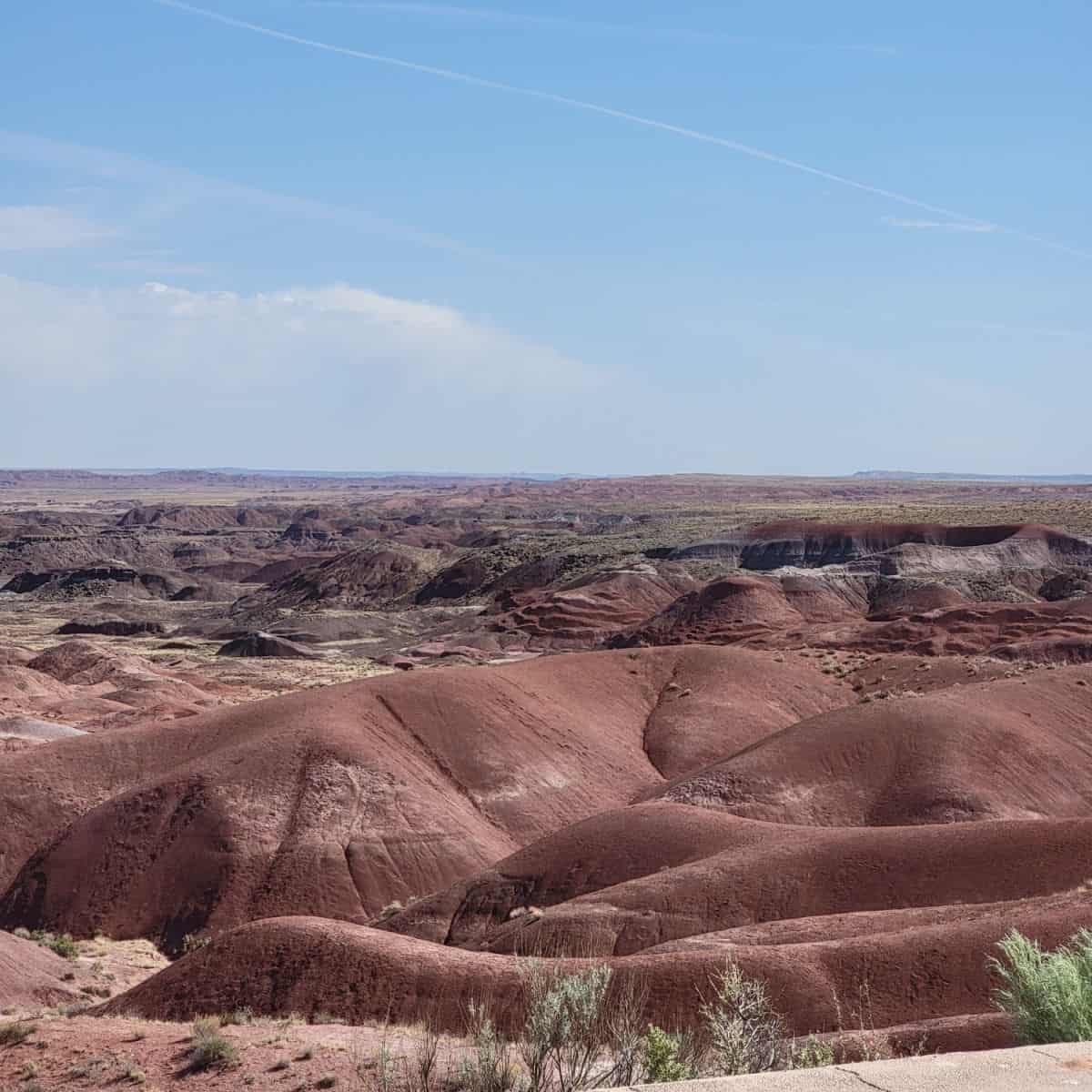
Petrified Forest and Painted Desert (Arizona side): The national park entrance straddles the state line, and the Arizona side offers the bulk of the driving route through the park. Take your time through here. The landscape is unlike anything else in the country.
Holbrook, Arizona: Home to the Wigwam Motel, where guests sleep in concrete teepees that have been welcoming road trippers since 1950. It is wonderfully strange, historically significant, and one of the most fun overnight stays on the entire route for families.
Petrified Wood Park, Holbrook: Right in the center of town, this quirky park features structures built entirely from chunks of petrified wood by the local Works Progress Administration in the 1930s. Small but genuinely fascinating.
Winslow, Arizona: Made forever famous by the Eagles song "Take It Easy," Standin' on the Corner Park commemorates the lyric with a bronze statue and a Route 66 mural. It is a small stop but one that hits hard for anyone who grew up with that song.
Meteor Crater: A short detour off the historic route, this is the best-preserved meteorite impact crater on Earth, nearly a mile across and 550 feet deep. The scale of it is hard to comprehend until you're standing at the rim.
Seligman, Arizona: The town that saved Route 66. When the interstate bypassed Seligman in 1978, barber Angel Delgadillo fought back and helped spark the movement that eventually created the Historic Route 66 Association of Arizona. His barbershop is still open, and the whole town feels like a living museum of highway culture. Do not skip this one.
Hackberry General Store: A perfectly preserved slice of Route 66 nostalgia, packed floor to ceiling with vintage memorabilia, antiques, and old signage. The proprietors are passionate about the highway's history and happy to talk your ear off, in the best possible way.
California: The Final Push to the Pacific
approx. 315 miles
Needles, California: The first California town on the route and a classic desert gateway. The stretch of Route 66 through the Mojave from here westward is one of the most dramatic and desolate drives in America, in the best possible way.
Mojave Desert Drive: Miles of open desert, Joshua trees, dramatic rock formations, and the kind of silence that makes you understand why travelers in the 1930s and 40s both dreaded and loved this stretch. This is one of the most cinematic drives on the entire route.
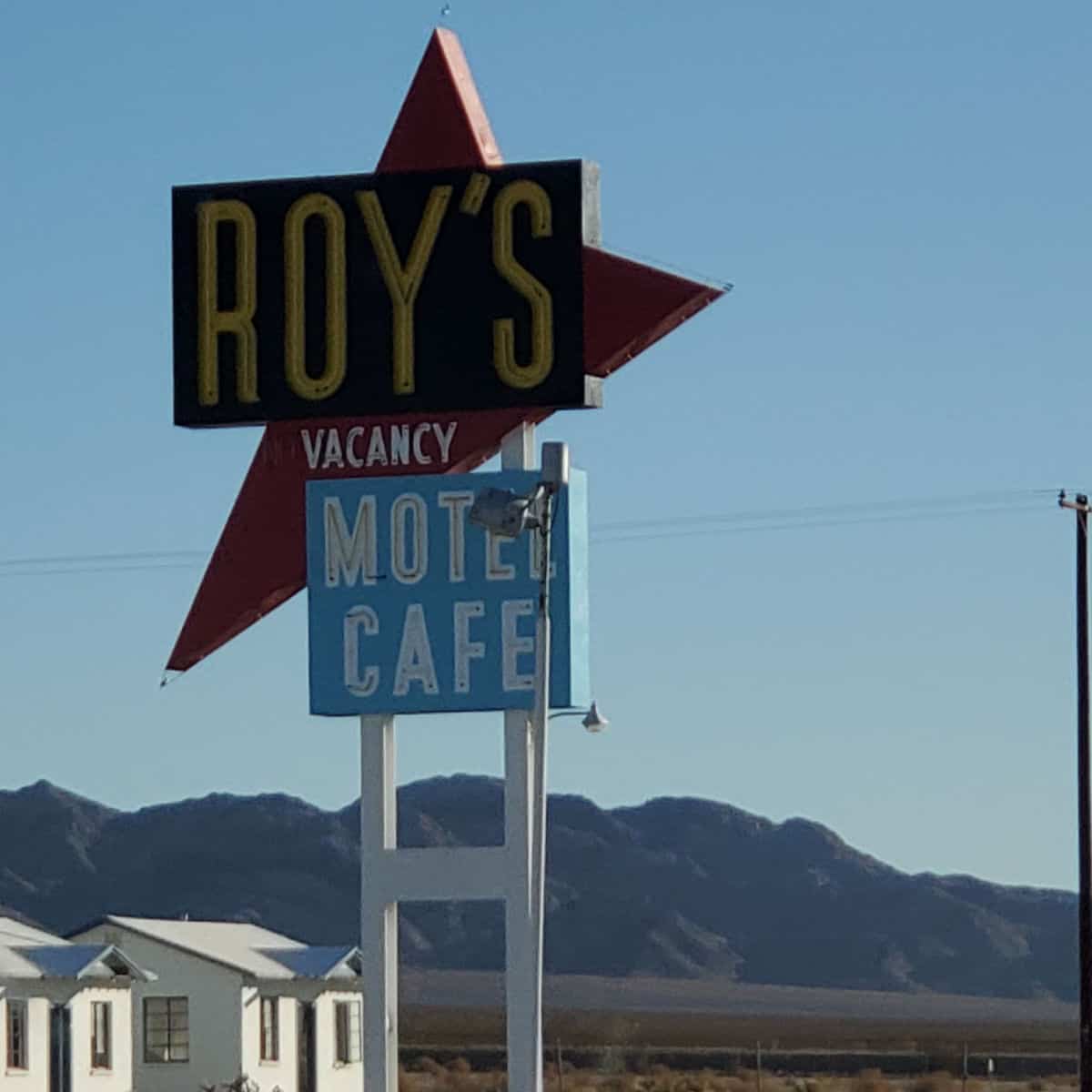
Amboy and Roy's Motel and Cafe: A near-ghost town in the Mojave with a spectacular vintage sign that is one of the most photographed in America. Roy's is partially restored and occasionally operational, and the surrounding landscape is hauntingly beautiful.
Barstow, California: A Route 66 hub with the Route 66 Mother Road Museum housed in the historic Casa del Desierto Harvey House depot. A good overnight stop and the last major resupply point before the final push through the mountains toward Los Angeles.
San Bernardino, California: The birthplace of McDonald's, with a museum at the site of the original 1940 restaurant. Also where Route 66 begins its descent from the high desert into the Los Angeles basin and the reality of finishing this journey starts to sink in.
Pasadena and the Rose Bowl area: The original alignment of Route 66 runs through Pasadena along Colorado Boulevard, passing some of the most beautiful Craftsman architecture in Southern California. A world away from the Mojave, and a reminder of how much ground this highway actually covers.
Santa Monica Pier: The finish line. The end of the road. Standing at the western terminus sign at the Santa Monica Pier, with the Pacific Ocean in front of you and 2,448 miles of American history behind you, is one of those travel moments that stays with you for the rest of your life. In the centennial year, it will be even more special.
For a trip like this, renting makes sense. Renting through RVShare gives you the freedom of RV Travel without the cost of buying one. You can book a one-way rental for a segment of Route 66 or the entire route.
You pick the right rig for this specific trip, return it when you're done, and keep the memory without the stress of having to plan where to store an RV.
RVShare is a peer-to-peer rental marketplace connecting travelers with RV owners across the country, which means an enormous variety of options at every price point.
One important note for 2026: book early. The Route 66 centennial is already generating serious buzz, and summer availability along the corridor will go fast. RVShare makes it easy to browse rigs by location, so you can pick up near Chicago, near your home, or wherever makes the most sense for your itinerary.
Start browsing at RVShare.com and get your centennial trip on the calendar before someone else grabs your dream RV.
Leave a Reply